Why Alcohol Mouthwash Can Make Breath Worse, Not Better
Alcohol-based mouthwash dries out the mouth, and a dry mouth is one of the most reliable causes of bad breath — which means the classic burning rinse can worsen the exact problem it is sold to fix.
This is not a fringe claim; it follows directly from how saliva and oral bacteria interact, and it is well understood in dental literature.
Saliva is doing more work than you think
Saliva constantly washes away food particles and bacterial byproducts, buffers acid, and delivers minerals that support enamel. A well-hydrated mouth is a self-cleaning one to a meaningful degree.
Reduce saliva flow, and all of that slows down. Bacteria and their byproducts — including the volatile sulfur compounds responsible for much of bad breath — linger longer instead of being cleared.
What alcohol does specifically
Alcohol is drying by nature. Rinsing with a high-alcohol mouthwash reduces saliva production in the short term and can leave the mucous membranes of the mouth measurably drier afterward.
The immediate sensation — that sharp, clean burn — feels like it is working. The underlying effect, a drier mouth with less saliva clearing bacterial byproducts, can set up worse breath a few hours later than if you had not rinsed at all.
The cycle this creates
Bad breath after lunch prompts a burning alcohol rinse. The rinse dries the mouth further. Reduced saliva flow lets odour-causing bacteria byproducts build up faster. Breath returns, sometimes worse, sooner than it would have otherwise — prompting another rinse. The cycle repeats, and the person using it most aggressively often has the most persistent problem.
What actually helps, without the drying effect
Alcohol-free rinses or dissolving formats avoid the drying mechanism entirely.
Staying hydrated generally supports saliva production directly.
Addressing the bacterial source — through mechanical cleaning and, increasingly, oral probiotics — targets the actual cause rather than temporarily overwhelming it with a burn. See our piece on the oral microbiome for the fuller picture.
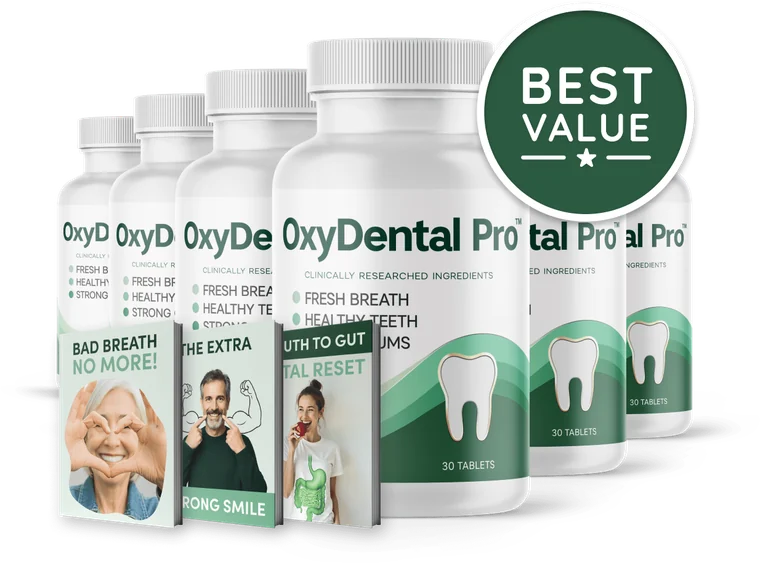
Where this leaves a product like OxyDental
OxyDental is formulated without alcohol, using gentle oxygen release and probiotic support instead of a drying antiseptic burn. Whether that distinction matters to you depends on whether you have noticed the classic rinse-then-worse-breath pattern yourself — a reasonably common experience once you know to look for it.